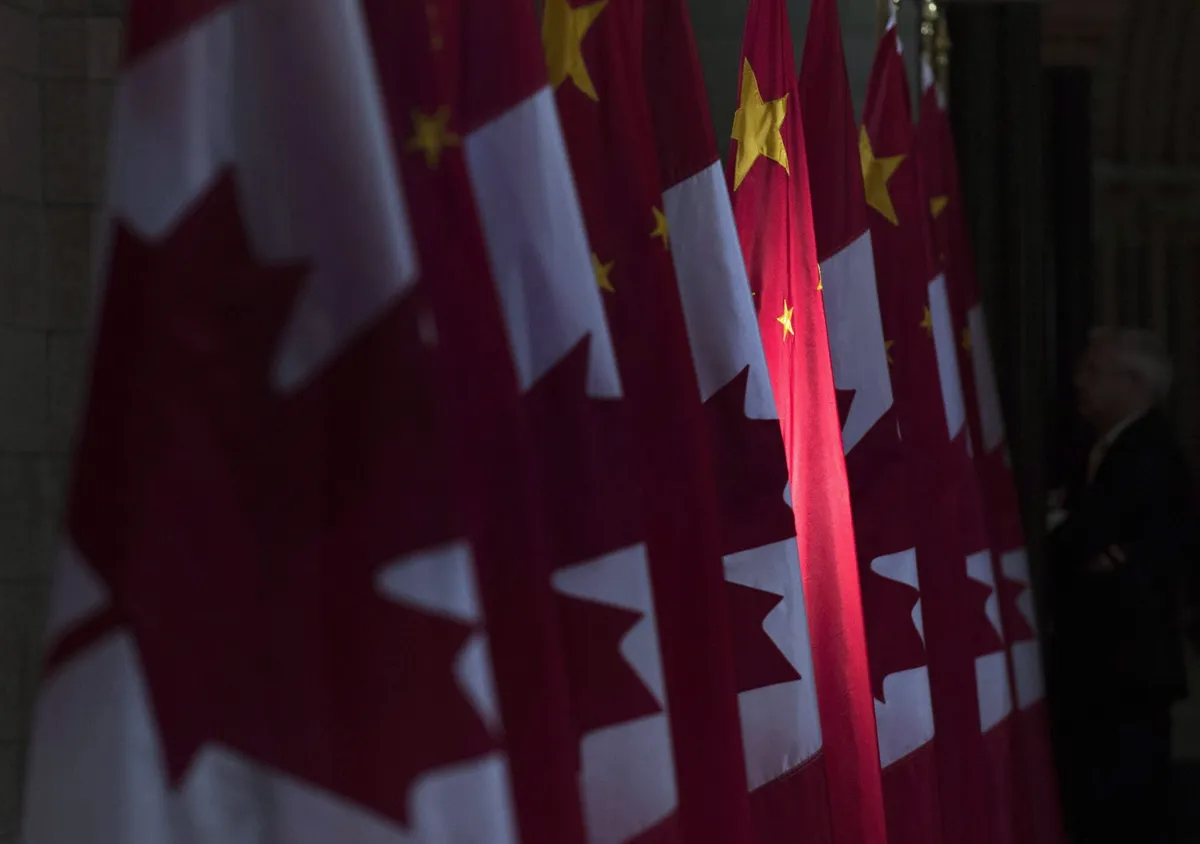
China is pushing to join the CPTPP despite significant trade tensions with Canada. Early Tuesday, reports surfaced that China imposed a 75.8 percent tariff on Canadian canola seed exports. This move has raised alarms regarding China’s economic coercion tactics.
China’s bid to enter the CPTPP challenges the agreement’s core principles. The CPTPP was initially negotiated as the Trans-Pacific Partnership, aimed at fostering free trade among member nations. However, China has a history of undermining World Trade Organization (WTO) obligations through its state-owned enterprises.
In 2025, Beijing’s actions against Canadian canola imports exemplified its use of trade as a weapon. Bill Hawkins remarked, “They basically put in place tariffs that will kill our trade into that country.” This sentiment underscores fears about China’s strategic leverage in trade negotiations.
Key statistics:
- 75.8 percent tariff imposed on Canadian canola seed exports
- The EU-Mercosur deal eliminates tariffs on over 90% of bilateral goods exchange
- The EU-Mercosur deal is expected to increase the EU’s yearly exports by 39%
- The deal supports up to 600,000 jobs in the EU
As of midday, Poland is considering legal action due to potential risks to its agriculture from the EU-Mercosur deal, which was signed after over 25 years of negotiations. Władysław Kosiniak-Kamysz stated, “We believe that food security, consumer safety, and the protection of our own market are at risk.” This highlights ongoing concerns within Europe regarding trade agreements.
China’s actions raise questions about how its accession to the CPTPP might affect global trade dynamics. Officials have not confirmed how this could impact existing agreements like USMCA or future negotiations with other trading partners.