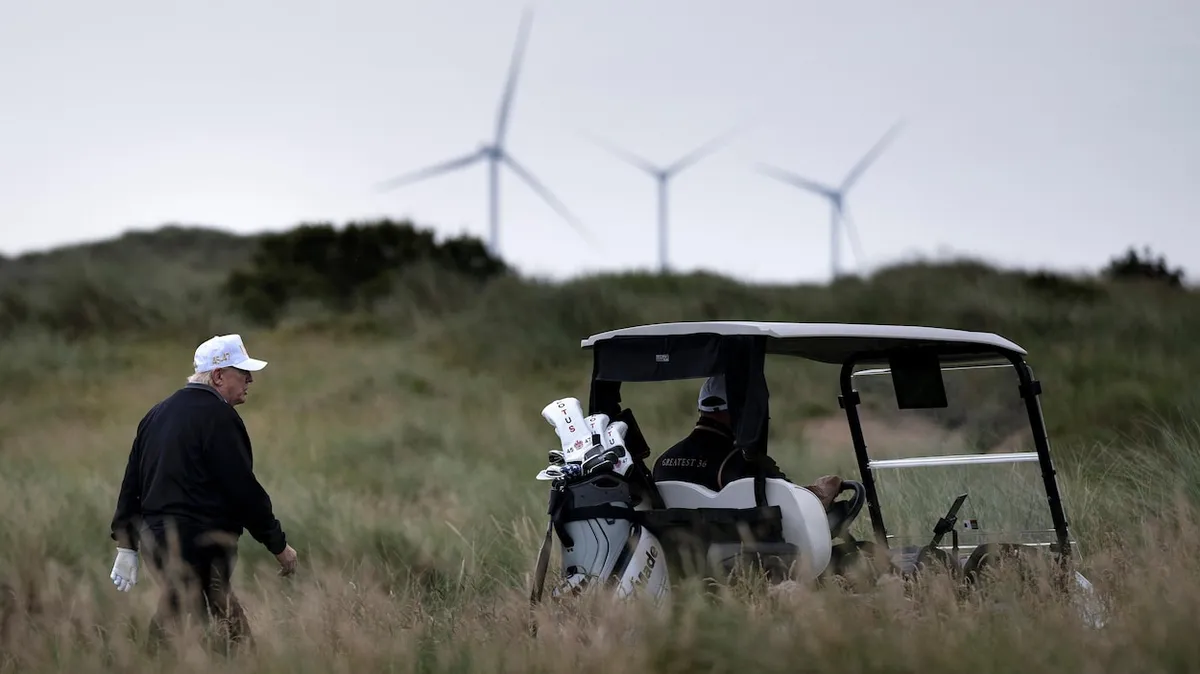
The ongoing energy crisis could paradoxically accelerate the transition to renewable energies, despite a persistent dependence on fossil fuels. Experts like Fatih Birol, director of the International Energy Agency, warn that the current geopolitical tensions, particularly stemming from the war in Ukraine, may undermine trust in fossil fuels.
Countries are already making significant commitments. France aims to reduce its reliance on fossil fuels from 60% to 30% by 2035. Meanwhile, the United Kingdom targets achieving 90% of its energy from renewables by 2030.
China has seen a notable increase in its green technology exports—up by 70% in March 2026 compared to March 2025. This shift aligns with a global trend where renewable electricity production surpassed coal for the first time in 2025.
The European Union has allocated an additional €24 billion for fossil fuel imports since the crisis began. This highlights the ongoing struggle between immediate energy needs and long-term sustainability goals.
Key statistics:
- 34% of global electricity came from renewable sources in 2025.
- 33% was produced from coal during the same period.
- The electrification budget in France was initially €5.5 billion per year before being doubled.
Alain Lemieux emphasized that transitioning to renewables involves more than just changing energy sources; it requires a fundamental transformation of power dynamics. Birol concluded with a stark warning: “The damage is done.”
As countries navigate this complex landscape, uncertainties remain regarding their commitments and strategies for sustainable energy. The next steps will be crucial for achieving true energy sovereignty and decarbonization goals.