The Significance of Freezing Fog Advisory
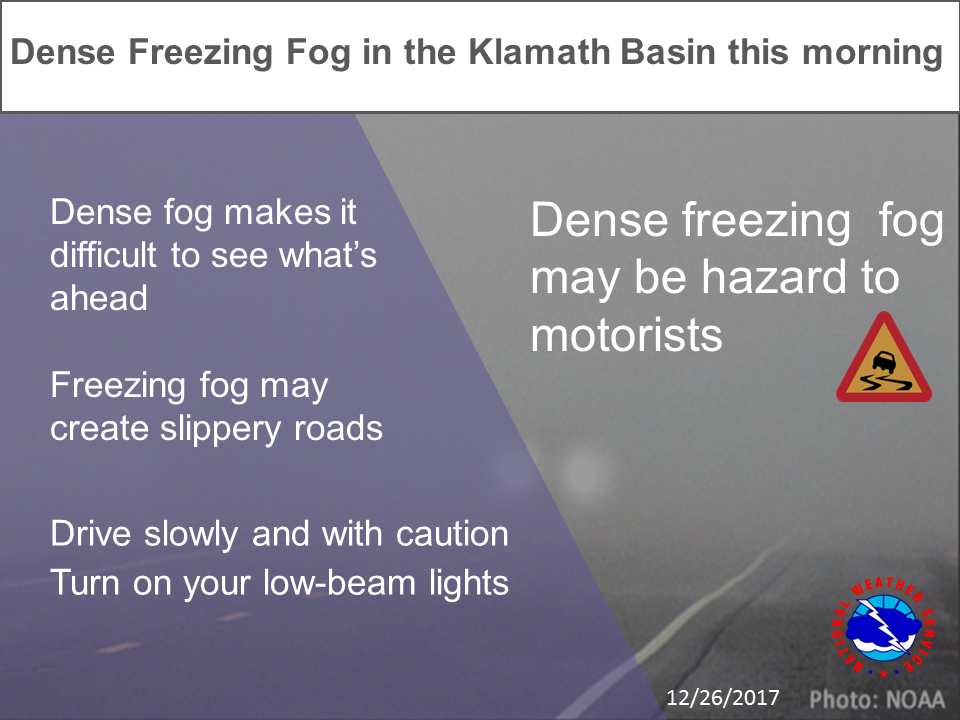
A freezing fog advisory is issued by the National Weather Service to alert the public to the potential dangers of freezing fog conditions. Freezing fog occurs when temperature drops below freezing and the water vapor in the air condenses into tiny droplets that remain suspended in the air. When these droplets come into contact with surfaces, they freeze and create a layer of ice. This can make roads and walkways extremely slippery, posing considerable hazards to drivers and pedestrians.
Current Weather Alerts and Impacts
As of this week, various regions across the Midwest and Northeast have been under freezing fog advisories. Meteorologists have forecasted that these conditions can lead to reduced visibility, hazardous driving conditions, and increased risk of accidents. The icy surfaces can also impact local services, leading to potential delays in transportation and disruptions for emergency services.
Local authorities in affected areas are urging residents to remain cautious. Reports indicate that icy patches have already contributed to multiple traffic incidents.
Precautionary Measures for Residents
In light of the advisory, it’s crucial for individuals to take necessary precautions. Here are some recommendations:
- Drive with Caution: If you must travel, reduce your speed and increase your following distance. Turn on your lights to increase visibility and stay alert for sudden dangerous conditions.
- Monitor Weather Updates: Stay informed about weather changes through local news and weather apps to receive real-time alerts and advisories.
- Safe Walking Practices: For pedestrians, walking on designated paths and avoiding shortcuts through untreated areas can help to minimize the risk of slipping.
Conclusion and Future Outlook
The freezing fog advisory serves as a vital alert for residents to prepare and take precautions. As climate patterns shift, occurrences of hazardous weather conditions like freezing fog may become more frequent. It is essential for communities to remain educated about these phenomena and their impacts. Addressing these advisories with seriousness can significantly reduce risks during winter months.