Introduction
As the summer months roll in, the threat of severe thunderstorms increases across many regions in the United States. Severe thunderstorms can lead to hazardous conditions including heavy rainfall, high winds, hail, and even tornadoes. Understanding the implications of a severe thunderstorm warning is crucial for ensuring the safety of individuals and communities.
What is a Severe Thunderstorm Warning?
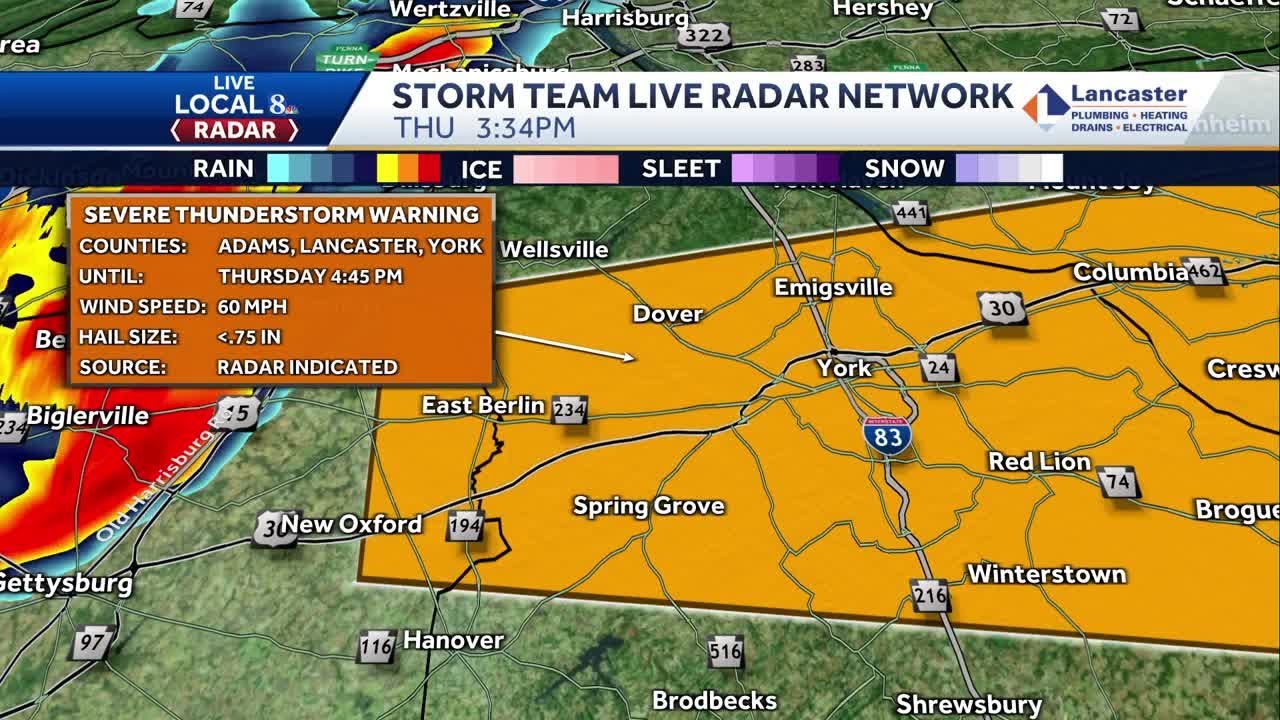
A severe thunderstorm warning is issued by the National Weather Service (NWS) when a thunderstorm is producing or is capable of producing severe weather. This alert indicates that there has been or is expected to be significant weather in the immediate area, including wind gusts of 58 mph or higher, hail of one inch or larger, or damaging rain that may lead to flash flooding.
Recent Weather Events
In the past week, states like Texas and Florida have experienced multiple severe thunderstorm warnings due to a series of unusual weather patterns affecting the region. According to the NWS, over 20 million people were under a severe weather alert during these events. On one particularly notable day, hail the size of golf balls was reported in parts of Oklahoma, causing damage to vehicles and property. It is essential that residents in affected districts heed these warnings, as failure to do so can lead to serious injuries or property loss.
Preparedness Tips
When a severe thunderstorm warning is issued, individuals should take immediate action to protect themselves and their loved ones. This includes:
- Staying indoors and avoiding windows,
- Preparing an emergency kit with essentials such as water, food, and medications,
- Listening to local news or weather apps for updates, and
- Having a backup communication plan if power outages occur.
Conclusion
Severe thunderstorms are a natural occurrence, but their impact can be devastating if proper precautions are not taken. Being informed about the nature of severe thunderstorm warnings and understanding the necessary safety measures can significantly reduce risks to life and property. As climate patterns continue to evolve, it is critical for communities to stay vigilant and responsive to weather updates to ensure safety during storm events.