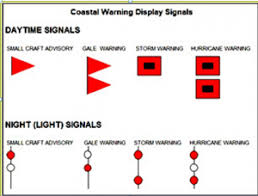
The Importance of Gale Warnings
Gale warnings are critical alerts issued by weather authorities when sustained winds of 34 to 40 knots (39 to 46 mph) are expected to occur. These warnings play a vital role in protecting maritime activities and coastal communities from potential hazards caused by high winds. As weather patterns become increasingly unpredictable, understanding gale warnings is essential for both mariners and coastal residents.
Recent Events and Gale Warnings
In recent weeks, several regions along the East Coast, particularly in New England, received gale warnings due to an approaching weather front. The National Weather Service (NWS) reported that these warnings were issued ahead of a powerful system bringing wind gusts that could reach up to 50 mph, along with heavy rain and coastal flooding. Mariners were advised to avoid waterway activities during this period, with many commercial fishing vessels opting to stay in port.
Furthermore, the NWS noted that with winter approaching, the chances of gale warnings being issued will increase as cold air masses collide with warm coastal waters, generating strong winds and storm systems that could impact the region over the coming months. In mid-October, a particularly intense storm resulted in several gale warnings for mid-Atlantic waters, prompting increased vigilance among local fishermen and recreational boaters.
How to Prepare for Gale Warnings
For those living near coastlines or engaging in maritime activities, preparedness is key when gale warnings are issued. Here are some important tips:
- Stay informed: Regularly check weather forecasts and alerts from local authorities or the NWS.
- Vessel safety: Ensure that all safety equipment is in good condition, and review safety protocols with crew members.
- Secure property: If living in coastal areas, secure outdoor furniture and other items that could be affected by high winds.
Conclusion and Future Outlook
Gale warnings serve an essential function in alerting the public and mariners about impending severe weather conditions. As climate patterns continue to fluctuate, it is likely that coastal communities will face more frequent and intense gale warnings in the years ahead. Both individuals and local governments must prioritize preparedness strategies and ensure that communication channels remain open for timely alerts and information. Understanding these warnings can save lives and property from the destructive capabilities of strong winds and related weather phenomena.