Introduction
As winter settles in across much of the United States, residents are receiving alerts about impending freeze warnings. These warnings are critical for protecting not only the vulnerable populations but also crops and wildlife. In light of recent weather patterns and climate changes, understanding the implications of freeze warnings has become increasingly important for households and communities.
Details About Current Freeze Warnings
As of late October 2023, the National Weather Service has issued freeze warnings affecting over 20 states, including important agricultural regions such as Texas, Iowa, and Michigan. The warnings indicate that temperatures are expected to drop to 32°F or lower, creating hazardous conditions for those who are unprepared.
In Texas, where temperatures have been unseasonably high throughout the fall, the abrupt drop poses a risk for crops such as tomatoes and peppers, which may be damaged or killed by frost. This rapid temperature change is a result of a strong cold front moving through the area, causing concern among farmers and local businesses that rely heavily on agriculture.
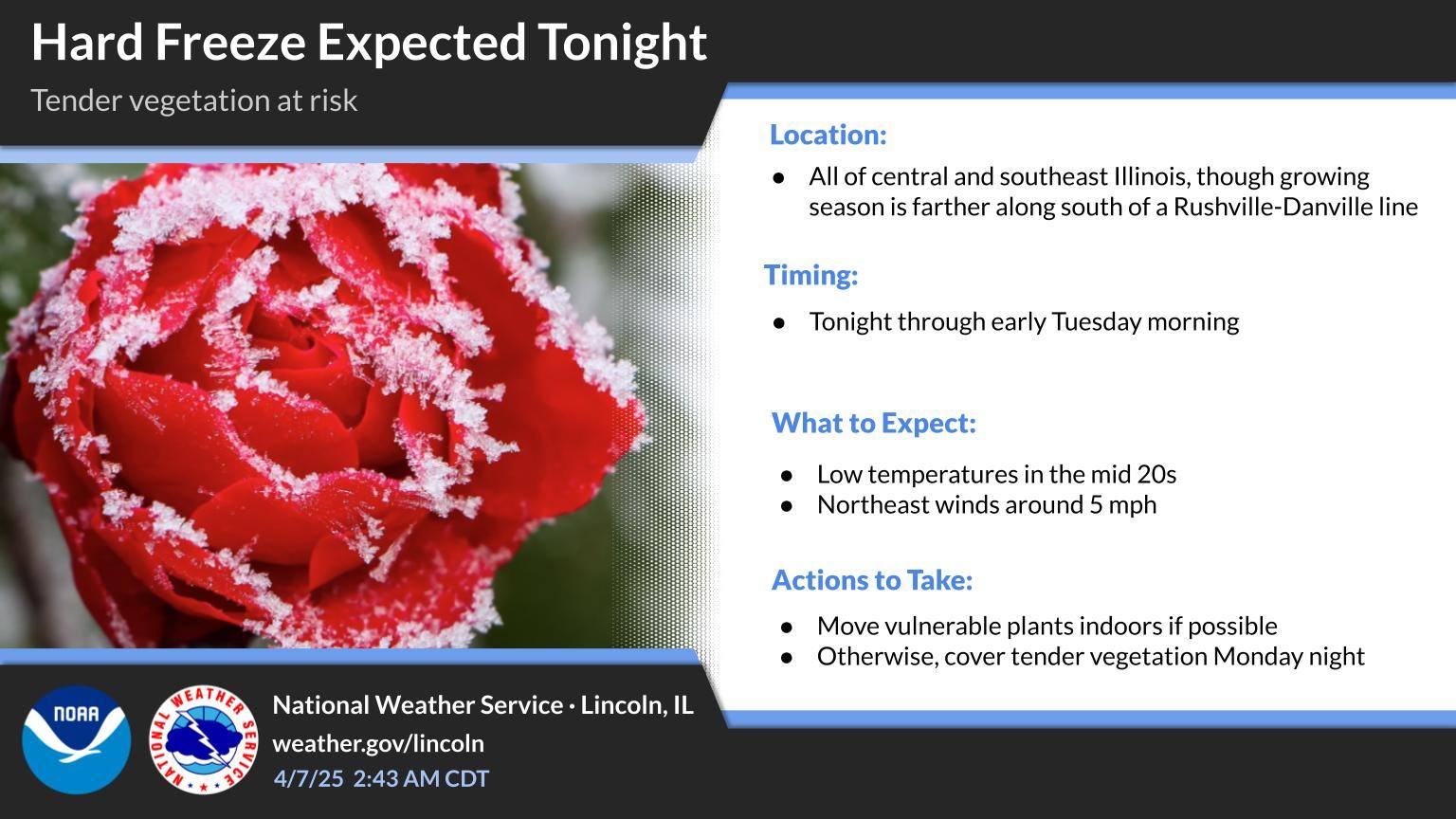
In the Midwest, states like Iowa have reported similar conditions, with local meteorologists stressing the importance of protecting outdoor plants and sensitive plumbing, which can freeze and burst if not properly insulated. Residents are advised to cover outdoor vegetation and ensure that home pipes are insulated to avoid costly damage.
What Residents Can Do
In light of these warnings, the Centers for Disease Control and Prevention (CDC) recommends several essential precautions: dress in layers, use heating devices with caution, and avoid exposure to cold conditions for extended periods. Vulnerable populations, including the elderly and individuals with chronic illnesses, are especially urged to stay indoors until conditions improve.
Conclusion
Freeze warnings represent more than just a drop in temperatures; they symbolize a change in the seasonal landscape that can have extensive repercussions. As communities adapt to these weather alerts, preparedness remains key to minimizing potential risks. With changing weather patterns, it is crucial for residents to heed warnings, prepare accordingly, and remain informed about their local conditions.