Introduction to the Polar Vortex
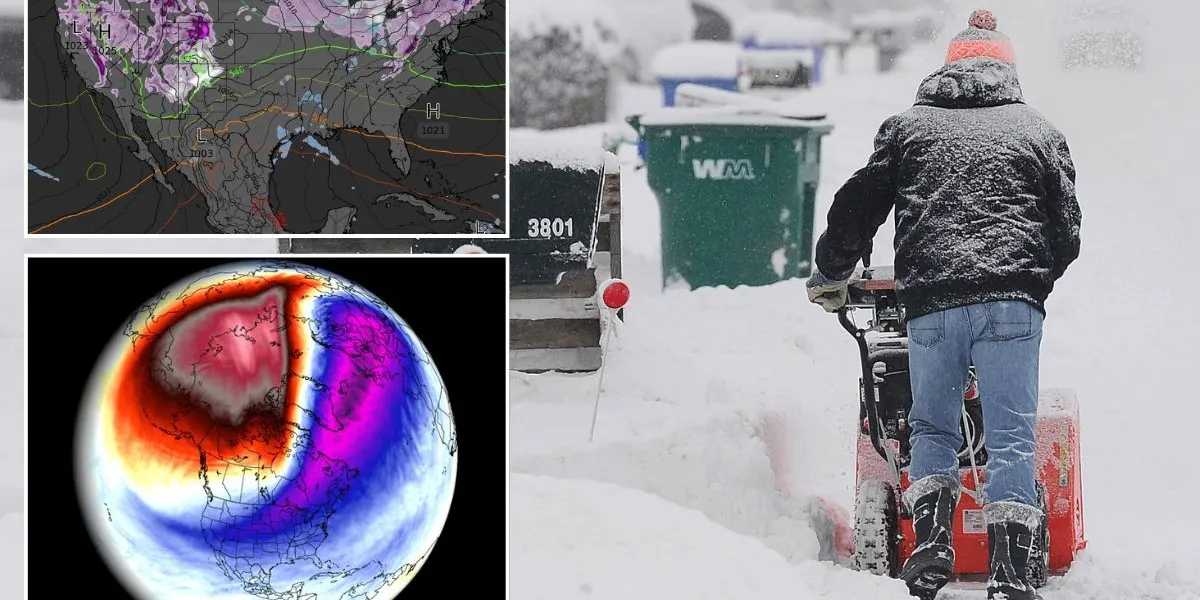
The polar vortex is a large area of low pressure and cold air surrounding the Earth’s poles. When it is stable, it keeps the coldest air locked over the Arctic regions. However, when disturbances occur, such as a polar vortex collapse, it can lead to extreme winter weather in mid-latitude regions, including parts of the United States and Europe. Understanding the forecasts around the polar vortex collapse is crucial for anticipating severe winter weather events.
Current Forecasts and Trends
According to the latest reports from the National Oceanic and Atmospheric Administration (NOAA), meteorologists are tracking significant changes in the polar vortex for the upcoming winter season. In recent weeks, models have indicated a potential weakening or even a collapse of the polar vortex, which typically occurs when warmer air intrudes into the stratosphere, causing a shift in the cold air masses.
The forecast models suggest that this winter could be particularly harsh for many regions in the central and eastern United States. January and February are typically the coldest months, and if the polar vortex significantly weakens, temperatures could plunge, leading to increased occurrences of snowstorms and frigid temperatures across populous areas, including the Midwest and Northeast.
Consequences of a Polar Vortex Collapse
The implications of a polar vortex collapse extend beyond just cold temperatures. An unstable polar vortex can lead to unpredictable weather patterns, impacting agriculture, energy consumption, and transportation. Energy companies may face spikes in demand as heating needs increase, while agricultural sectors may need to make preparations for frost damage to early crops.
Furthermore, meteorologists express concern that these extreme weather phenomena fueled by polar vortex activities could become more frequent and severe due to climate change. Historical patterns indicate that while polar vortex disruptions have always occurred, the increasing temperature of the earth could influence their intensity and frequency.
Conclusion and What to Expect
As we move into winter, the polar vortex collapse forecast stands as a critical area of concern for weather experts and the general public alike. With the potential for significant impacts on conditions across various regions, staying informed about the latest developments in polar vortex stability will be essential. It is recommended that individuals prepare for cold snaps and potential disruptions in transportation and utilities as forewarned by meteorologists. While forecasts can change, the overarching significance lies in understanding and adapting to these large-scale atmospheric phenomena.