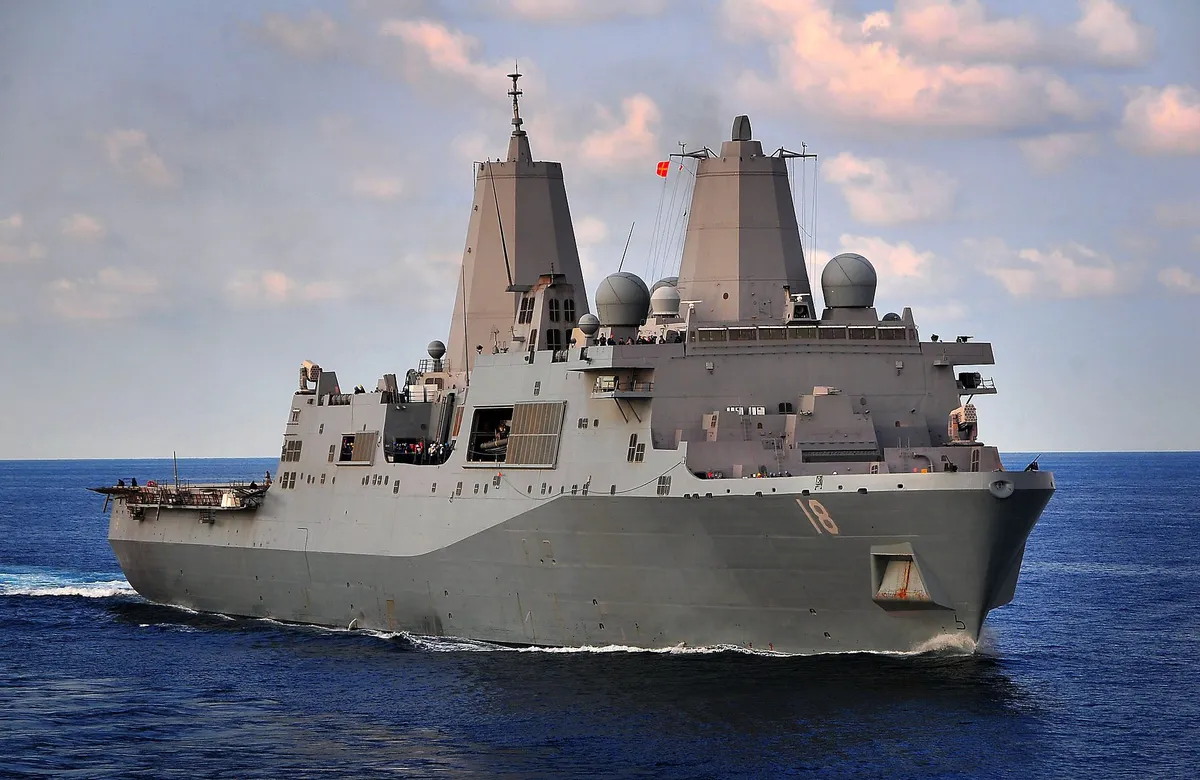
The U.S. Navy has awarded a contract worth nearly $100 million to Domino Data Lab for mine detection in the Strait of Hormuz. This marks a significant shift in naval operations, particularly concerning maritime security.
Before this development, the training period for submersible units to identify new types of mines took about six months. The expectation was that deploying new mine detection capabilities would take up to a year.
However, with the introduction of AI-powered autonomous underwater vehicles, this process has changed dramatically. The system can now reduce training time from six months to just a few days, allowing for rapid deployment.
As of midday Tuesday, the U.S. Navy could be ready to deploy these advanced mine detection capabilities within a week. This expedited timeline is crucial given the ongoing tensions in the region.
In early March, Iran blockaded the Strait of Hormuz, which is considered an illegal blockade under international law. In response, the U.S. Central Command implemented a naval blockade applicable to all vessels transiting to or from Iran.
The blockade raises legal questions regarding its basis under international law. Experts are divided on whether such actions are justified during peacetime.
Thomas Robinson from Domino Data Lab stated, “The system reduces the time required to train submersible units to identify new types of mines from six months to just a few days.” This advancement could change how both nations approach maritime operations.
The situation continues to evolve as cargo movements are affected—cargo does not stop moving but is rerouted and repriced due to these tensions.