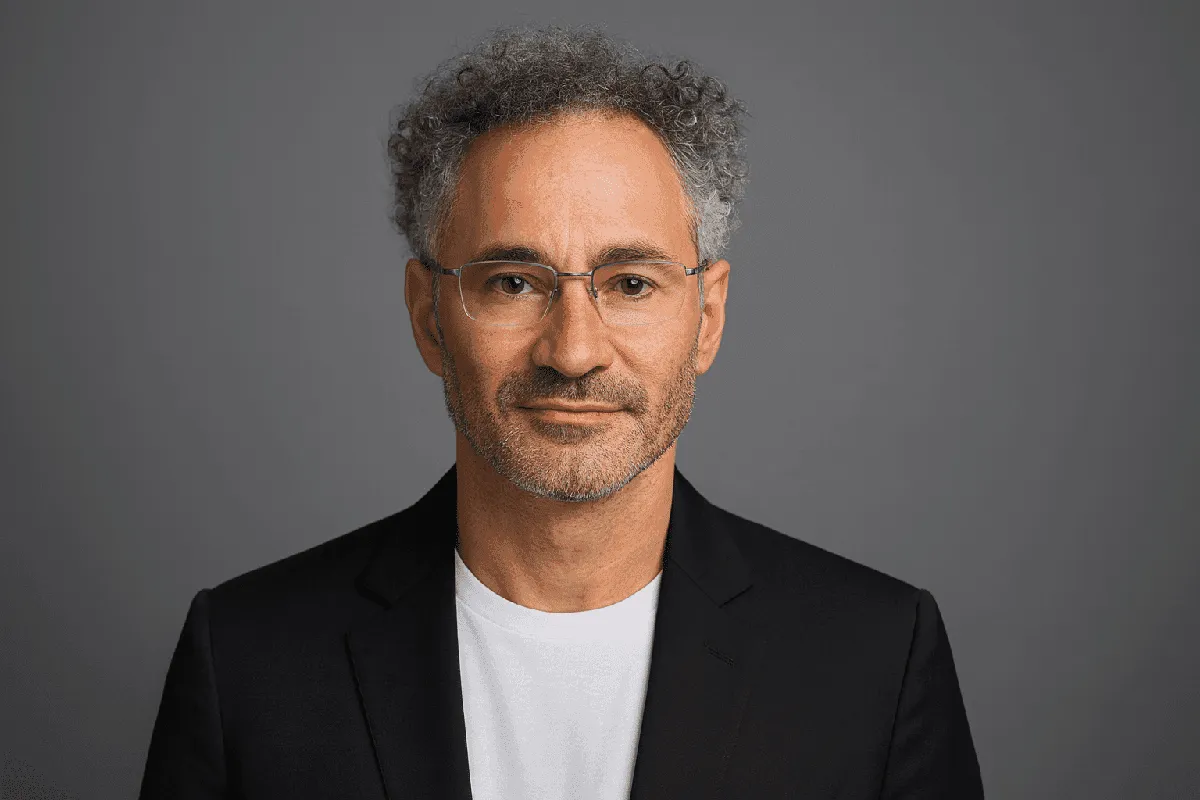
As the landscape of artificial intelligence evolves, Alex Karp, the 58-year-old CEO of Palantir Technologies, is at a critical juncture. Just days ago, Karp articulated his belief that the future in an AI-driven world hinges on either vocational training or embracing neurodivergence. He emphasized that neurodivergent individuals may offer unique perspectives that AI cannot replicate.
On a recent occasion, Karp stated, “There are basically two ways to know you have a future,” highlighting the need for adaptability in the workforce. He pointed out that skilled trades, such as electricians and plumbers, are increasingly seen as “AI-proof,” suggesting a shift in how we view job security in the age of automation.
However, the optimism surrounding Karp’s vision faced a setback when noted investor Michael Burry expressed bearish views on Palantir. Burry criticized the company for its heavy reliance on government contracts and suggested that competitors like Anthropic, with their “Managed Agents” offering, are encroaching on Palantir’s market share.
Following Burry’s comments, Palantir shares plummeted by 6.2%, with an additional 7% drop the following day, reflecting investor concerns over the company’s future. Burry’s stark assertion that “Anthropic is eating $PLTR Palantir’s lunch” has raised alarms among stakeholders.
As Palantir navigates these turbulent waters, Karp’s insights into neurodiversity and vocational training may become increasingly relevant. He has openly discussed his own dyslexia, reinforcing the notion that diverse thinking can be an asset in the tech industry.
Currently, the situation remains fluid. Investors are closely monitoring how Palantir will respond to these criticisms and whether Karp’s strategies will be effective in maintaining the company’s competitive edge.
Details remain unconfirmed regarding any immediate strategic shifts from Palantir in response to Burry’s comments. The implications of this sequence of events are significant, not only for Karp and Palantir but also for the broader tech industry as it grapples with the challenges posed by AI.